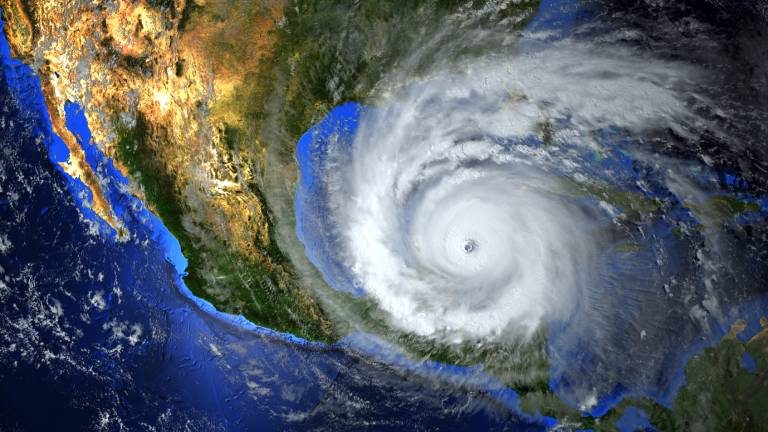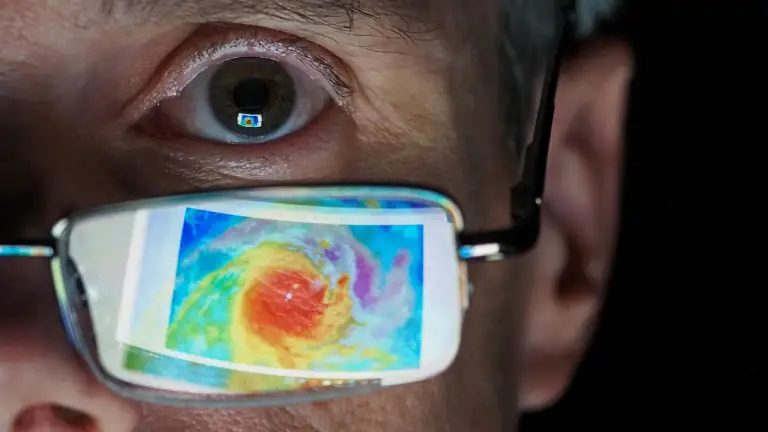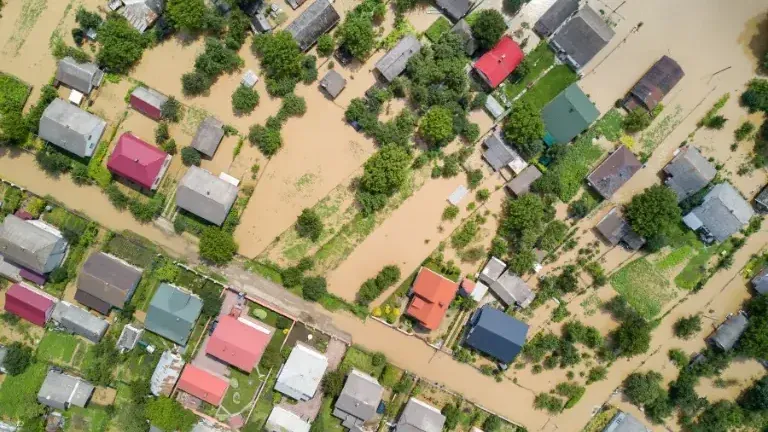
Disasters can have devastating effects on communities, ecosystems, and economies. In the wake of such events, timely and accurate information is essential for effective disaster recovery and humanitarian aid efforts.
The Importance of Timely Information
In the aftermath of a disaster, the first hours and days are crucial for saving lives and mitigating further damage. Traditional methods of data collection, such as ground surveys, can be slow and resource-intensive, often leading to delays in response efforts. Satellite imagery provides a rapid and comprehensive view of affected areas, enabling stakeholders to assess damage, identify needs, and coordinate relief efforts efficiently.
However, raw satellite images alone do not provide actionable insights. This is where satellite image labelling comes into play. By annotating images with specific features (such as damaged infrastructure, displaced populations, or environmental changes), humanitarian organisations can gain a clearer understanding of the situation on the ground.
The Impact of Satellite Image Labeling in Disaster Recovery
a) Damage Assessment
One of the primary applications of labelled satellite imagery in disaster recovery is damage assessment. Following an event such as an earthquake, hurricane, or flood, labelled satellite images can reveal the extent of destruction across wide areas. This information is important for governments, NGOs, and disaster response teams to prioritise their efforts.
For example, after Hurricane Maria struck Puerto Rico in 2017, labelled satellite data was instrumental in assessing the damage to infrastructure. The U.S. Geological Survey (USGS) utilised labelled imagery to identify severely affected areas, allowing response teams to allocate resources effectively. By analysing labelled data, they could determine which roads were impassable and where to focus restoration efforts, ultimately saving time and resources.
Recovery Planning
Labeled satellite imagery also helps in recovery planning. Once the immediate response phase is over, stakeholders must plan for long-term recovery and rebuilding efforts. By analysing labelled satellite images over time, organisations can track changes in land use, identify areas that require infrastructure investment, and monitor the recovery process.
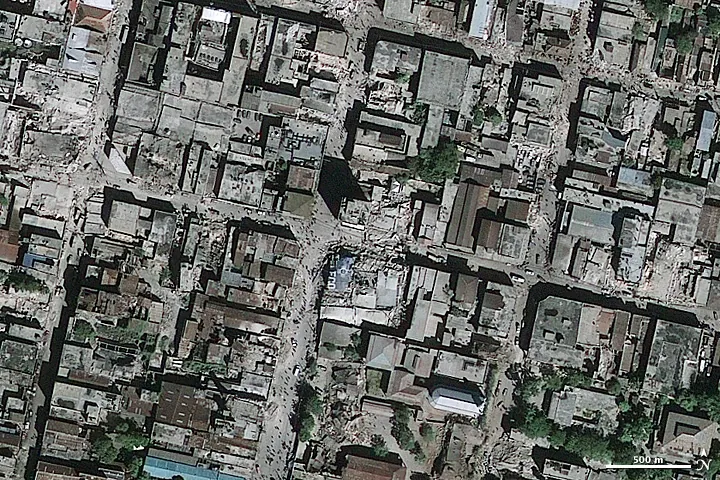
In the aftermath of the 2010 Haiti earthquake, labelled satellite imagery helped NGOs like the World Bank and the International Federation of Red Cross and Red Crescent Societies (IFRC) develop a comprehensive recovery plan. By mapping damaged structures, assessing the state of utilities, and identifying population density, these organisations were able to create targeted interventions for rebuilding efforts. The labelled data allowed them to understand the community's needs better and develop sustainable solutions that would contribute to long-term resilience.
Monitoring Humanitarian Crises
Real-time monitoring of humanitarian crises is another area where labelled satellite imagery can make a significant impact. Whether it's tracking the movement of refugees fleeing conflict zones or assessing the effects of drought on agriculture, labelled satellite images provide valuable insights into dynamic situations.
For instance, during the Syrian refugee crisis, labelled satellite data was used to monitor displacement patterns and humanitarian needs. The European Space Agency (ESA) collaborated with organisations like the UN Refugee Agency (UNHCR) to analyse satellite images of refugee camps and surrounding areas. By labelling the images to identify key infrastructure, such as water sources and medical facilities, agencies could optimise resource allocation and improve the delivery of aid.
Case Studies
To further illustrate the impact of labelled satellite imagery in disaster recovery and humanitarian aid, let’s examine several case studies that highlight its effectiveness.
Case Study 1: The 2011 Japan Earthquake and Tsunami
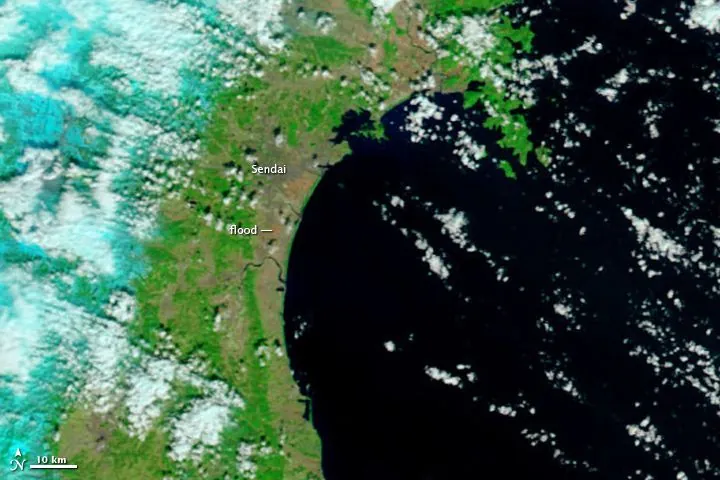
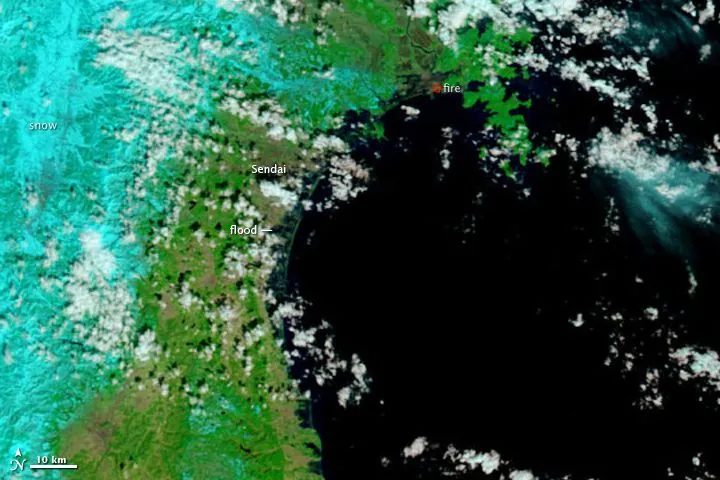
The 2011 earthquake and tsunami in Japan resulted in catastrophic damage and loss of life. Following the disaster, the Japan Aerospace Exploration Agency (JAXA) and various international organisations utilised labelled satellite imagery to assess damage and plan recovery efforts.
Using the ALOS (Advanced Land Observing Satellite), JAXA captured high-resolution images of affected areas. Labeled data revealed extensive destruction to buildings, roads, and infrastructure, allowing for a rapid response. By integrating this information with ground reports, officials could prioritise recovery efforts in the hardest-hit regions, facilitating a quicker restoration of services.
Case Study 2: The 2015 Nepal Earthquake
The devastating earthquake that struck Nepal in 2015 highlighted the importance of labelled satellite imagery in disaster response. The United Nations Office for the Coordination of Humanitarian Affairs (OCHA) collaborated with various organisations to analyse labelled satellite data following the earthquake.
By labelling satellite images to indicate damaged structures, access routes, and population density, responders could create detailed maps to guide relief efforts. This information was vital for coordinating search and rescue operations and ensuring that aid reached the most vulnerable populations. The use of labelled data significantly improved the efficiency of the response and laid the groundwork for long-term recovery planning.
Case Study 3: Hurricane Harvey in Texas
In August 2017, Hurricane Harvey caused unprecedented flooding in Texas. Organizations such as FEMA and the National Oceanic and Atmospheric Administration (NOAA) utilised labelled satellite imagery to assess the extent of flooding and identify areas requiring immediate assistance.
Through the labelling of satellite images, responders could quickly identify neighborhoods inundated by water and prioritise rescue operations. Additionally, labelled data facilitated the assessment of infrastructure damage, enabling officials to plan for repairs and allocate resources effectively.
Using Technology to Improve Data Labeling
Technology is making it easier and faster to label satellite images for disaster recovery and humanitarian aid. Here are a few ways it helps:
Artificial Intelligence and Machine Learning
Artificial intelligence (AI) and machine learning algorithms are increasingly being integrated into the labelling process. These technologies can analyse vast amounts of satellite data and automatically label images based on predefined criteria. This automation speeds up the labelling process, allowing for quicker access to actionable information during disaster response.
For instance, researchers have developed AI models that can identify and categorise damaged infrastructure in satellite images, reducing the time required for manual labelling. By automating this process, humanitarian organisations can respond more rapidly to disasters and improve their situational awareness.
Crowdsourcing and Citizen Science
Crowdsourcing has emerged as a valuable approach to enhance satellite image labelling efforts. Engaging local communities and volunteers can significantly increase the amount of labelled data available for analysis. By leveraging platforms that allow citizens to contribute to labelling efforts, organisations can tap into local knowledge and expertise.
For instance, the OpenStreetMap initiative encourages volunteers to label and map features in satellite images, providing valuable data for disaster response. This collaborative approach fosters community involvement and helps ensure that the labelled data accurately reflects the realities on the ground.
Challenges and Considerations
While the benefits of labelled satellite imagery in disaster recovery and humanitarian aid are significant, several challenges remain.
Data Accessibility and Quality
Accessing high-quality satellite imagery can be a barrier for some organisations, especially in low-income regions. Ensuring that stakeholders have access to timely and accurate data is essential for effective disaster response. Initiatives that promote data sharing and collaboration among organisations can help address this challenge.
Training and Capacity Building
To maximise the potential of labelled satellite imagery, organisations need to invest in training personnel who can effectively interpret and analyse satellite data. Capacity building efforts should focus on equipping teams with the necessary skills to utilise labelled data in disaster recovery and humanitarian aid contexts.
Ethical Considerations
As with any technology, ethical considerations must be taken into account when using satellite imagery for humanitarian purposes. Organizations must ensure that the data is used responsibly and respects the privacy and rights of affected communities. Transparency in data usage and engagement with local stakeholders can help mitigate ethical concerns.