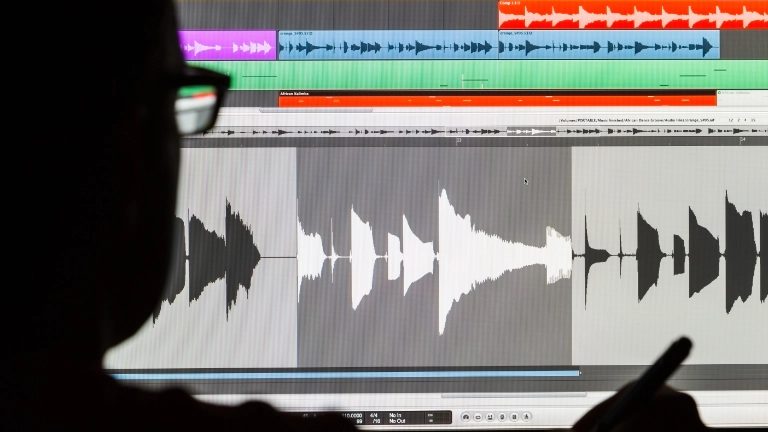
Audio annotation is a crucial step in developing AI-driven applications, such as speech recognition, voice assistants, sentiment analysis, and audio event detection.
Practical Applications of Audio Annotation
Audio annotation is indispensable across various domains, each with its unique requirements.
In speech recognition, annotated audio helps machines understand and transcribe spoken language, forming the backbone of applications like voice-to-text services. Voice assistants rely on accurate audio labelling to respond to user commands effectively, ensuring that interactions are seamless and intuitive.
Sentiment analysis of audio recordings is another critical area, particularly in customer service, where understanding the emotional tone of a conversation can provide valuable insights. Finally, audio event detection involves identifying and categorising specific sounds within a recording, such as alarms or background noise, which is crucial in areas like security and surveillance.
Understanding the First Steps
The journey of an audio annotation project typically begins with a Discovery Call. During this initial phase, we engage with you to understand your project goals, data requirements, and specific annotation needs. This conversation sets the stage for the entire project, allowing us to tailor our services to align perfectly with your expectations.
Following the discovery phase, we move into defining the Project Scope. This step involves collaboratively setting clear timelines, outlining deliverables, and ensuring that all project parameters are well-defined. A well-scoped project not only streamlines the workflow but also minimises potential misunderstandings, ensuring that everyone involved is on the same page from the outset.
Once the project scope is clearly defined, we provide a Proposal. This proposal offers a competitive quote, showcasing how our approach and expertise can meet your needs and exceed the performance of other providers.
The Team Behind the Process
A successful audio annotation project is supported by a dedicated team, including a Project Manager, a Quality Assurance Manager, and a group of skilled annotators. The Project Manager is responsible for receiving the audio files, organising them within the annotation tool, and preparing the project workflow. They share the project plan with the team and assign specific tasks to each member, ensuring a smooth operation from start to finish.
The Annotators handle the core task of labelling the audio data, following the project plan closely while using the annotation platform to track progress and document their work. Should any issues arise, the Project Manager and the rest of the team are readily available to provide assistance.
Once there is sufficient data to review, the Quality Assurance Manager steps in to assess the annotated files. The number of files reviewed varies depending on the project’s complexity and can be adjusted based on client requirements. After the review phase is complete, the Project Manager organises the files, shares the results with the client, and follows up for feedback, preparing for the next batch of audio files.
Continuous Cycle of Improvement
Given the nature of audio data, projects often involve handling multiple batches of recordings. This cyclical process (gathering audio files, annotating them, preparing the data for machine learning, and then starting again with the next batch) ensures that the AI model continuously learns and improves, ultimately leading to a more refined and effective application.
However, maintaining high-quality annotation requires more than just a well-organised process. Proper documentation of each project phase and annotation decision is crucial to ensure consistency and traceability. Additionally, the field of data annotation is rapidly evolving, with new methods and tools being developed at a fast pace. To keep up with these advancements, continuous training and learning are essential.
To support this need for ongoing education, we established DeeLab Academy, an e-learning platform initially designed for our own annotators. Recognizing the growing demand for skilled data annotators, we are now opening DeeLab Academy to in-house teams around the world. This allows organisations to enroll their teams in our Data Annotation Training & Certification program.
Our training program is designed to build a solid foundation in data annotation, covering essential concepts, tools, and techniques for each annotation topic, step by step. By the end of the program, participants will be well-prepared to handle real-world annotation tasks with accuracy and confidence, equipped with the latest knowledge and best practices in the field.