Climate change is a pressing issue, necessitating accurate tools to track and reduce carbon emissions. Satellite imagery, combined with data labelling, is necessary for businesses and governments to make informed decisions.
Role of Satellite Data in Climate Monitoring
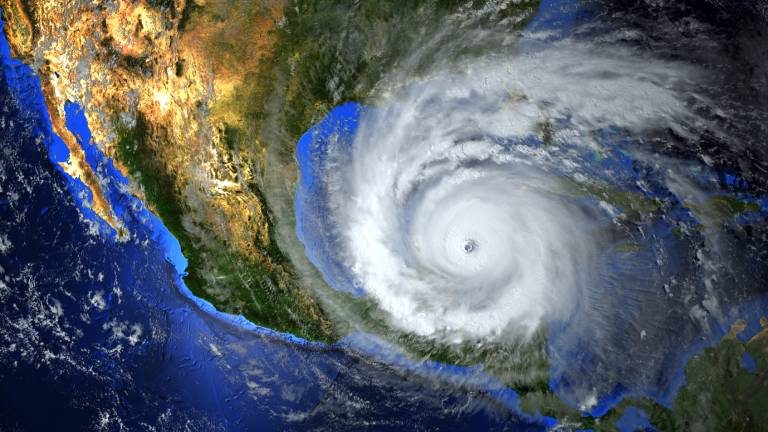
For decades, satellite imagery has been used to capture large-scale environmental changes across the globe. Satellites orbiting the Earth are equipped with sophisticated sensors that can detect everything from temperature variations to vegetation cover. This data is collected continuously, providing us with a bird’s-eye view of our planet.
However, raw satellite data, while valuable, is just the beginning. The true power of this data is unlocked through labelling, a process where specific features or patterns in the imagery are identified and categorised. This makes the data understandable and actionable, especially for tracking phenomena like carbon emissions or changes in land use that contribute to climate change.
Labeled satellite data allows us to monitor environmental indicators such as:
Deforestation: Trees act as carbon sinks, absorbing CO2 from the atmosphere. The loss of forests significantly accelerates carbon emissions, and labelled satellite imagery can track the extent of deforestation in real-time.
Urban Expansion: As cities grow, they become significant contributors to greenhouse gasses. Labeled data helps identify urban sprawl, enabling better urban planning to minimise environmental impacts.
Industrial Emissions: Satellites can detect the heat signatures and other markers of industrial activities, and labelling this data allows for accurate estimates of carbon emissions from factories, power plants, and other sources.
Labeled Satellite Data for Tracking Carbon Emissions
Carbon emissions come from many sources: industrial facilities, vehicles, deforestation, and more. While traditional methods of measuring emissions involve ground-based sensors and manual reporting, these approaches are often incomplete and sometimes unreliable.
This is where labelled satellite data offers a significant advantage. By using labelled data, we can accurately track emissions on a global scale, covering areas that are difficult to monitor from the ground. This method provides a much-needed layer of transparency, ensuring that emissions data is both reliable and up-to-date.
For instance, organisations like NASA, the European Space Agency (ESA), and private companies are now using satellites to map carbon emissions with unprecedented precision. By labelling these satellite images, we can identify hotspots of carbon emissions, track how they change over time, and hold polluters accountable.
Moreover, labelled satellite data also helps track carbon sequestration efforts. Whether it’s reforestation projects or carbon capture and storage initiatives, the ability to label and track these activities allows stakeholders to assess their effectiveness.
Real-World Application of Labeled Satellite Data
Many companies are already taking advantage of labelled satellite data to drive their sustainability goals. Here are a few examples of how businesses are using this technology:
Tracking Supply Chain Emissions: Corporations with large and complex supply chains are increasingly expected to track and reduce their carbon footprints. For example, Unilever is using satellite imagery to monitor their supply chains for deforestation and emissions. By labelling satellite data, they can pinpoint areas where their suppliers may be contributing to environmental degradation and take action to reduce their impact.
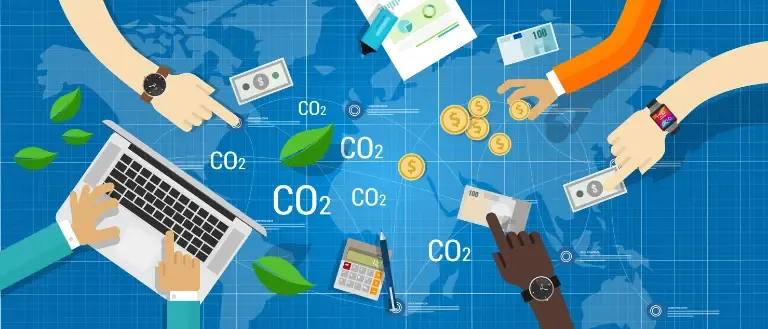
Carbon offset market is growing, but one of the biggest challenges is verifying the actual carbon reductions promised by these projects. Labeled satellite imagery is an effective way to track whether a reforestation project is genuinely absorbing CO2 or whether a wetland restoration project is thriving. This data ensures that companies investing in offsets can trust that they are making a real difference.
The energy sector is responsible for a significant portion of global greenhouse gas emissions, particularly methane. Oil and gas companies are now leveraging satellite data to detect methane leaks at their facilities. By labelling these satellite images, companies can accurately locate and quantify leaks, allowing them to take corrective action faster than ever before.
Agriculture is another major contributor to carbon emissions, particularly through deforestation and unsustainable farming practices. By using labelled satellite data, agricultural businesses can monitor land use changes, optimise farming practices, and reduce emissions from deforestation or fertilizer usage. This data can also help identify areas for reforestation or sustainable land management projects.
Govts and NGOs Adopt Labeled Data
Beyond businesses, governments and non-governmental organisations (NGOs) are utilising labelled satellite data to drive large-scale climate action initiatives. Here’s how:
Global Carbon Monitoring Initiatives
Governments are increasingly using labelled satellite data to meet their climate pledges under international agreements like the Paris Agreement. By having real-time data on carbon emissions and carbon sequestration efforts, countries can track their progress towards reducing emissions and staying within their agreed-upon limits.
For example, the European Union’s Copernicus Climate Change Service uses labelled satellite data to monitor emissions across the continent. This data is then used to inform policymakers and guide climate action at the national and regional levels.
Disaster Management and Resilience Planning
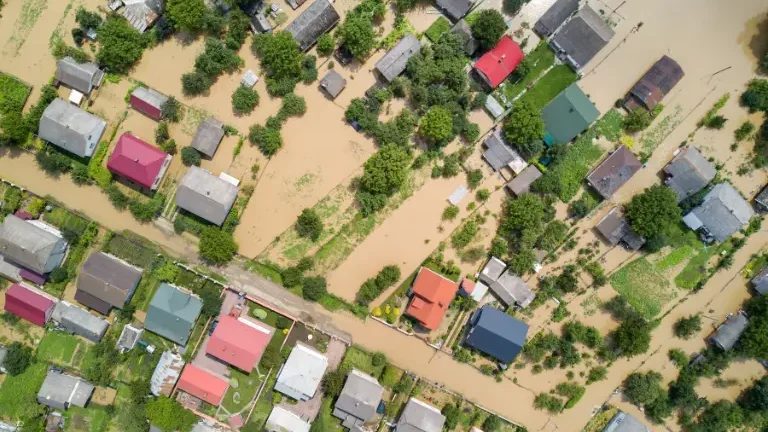
As climate change increases the frequency and severity of natural disasters, governments and NGOs are using labelled satellite data to improve disaster resilience. From tracking wildfires to monitoring coastal erosion, labelled geospatial data helps governments plan for and respond to climate-related disasters in a timely and efficient manner.
Environmental Conservation and Reforestation
NGOs working on environmental conservation projects are using labelled satellite data to track deforestation, habitat destruction, and reforestation efforts. By having access to high-quality labelled data, these organisations can assess the effectiveness of their conservation efforts and identify areas where further action is needed.