Farming is changing. It’s no longer just about tractors and hard work, but technology is stepping in to help farmers grow more food, waste less, and take better care of the land. This new wave of farming, often called smart farming, relies heavily on AI. But behind all that high-tech promise, there’s a quiet hero making it possible: data annotation.
Farming and Technology Working Together
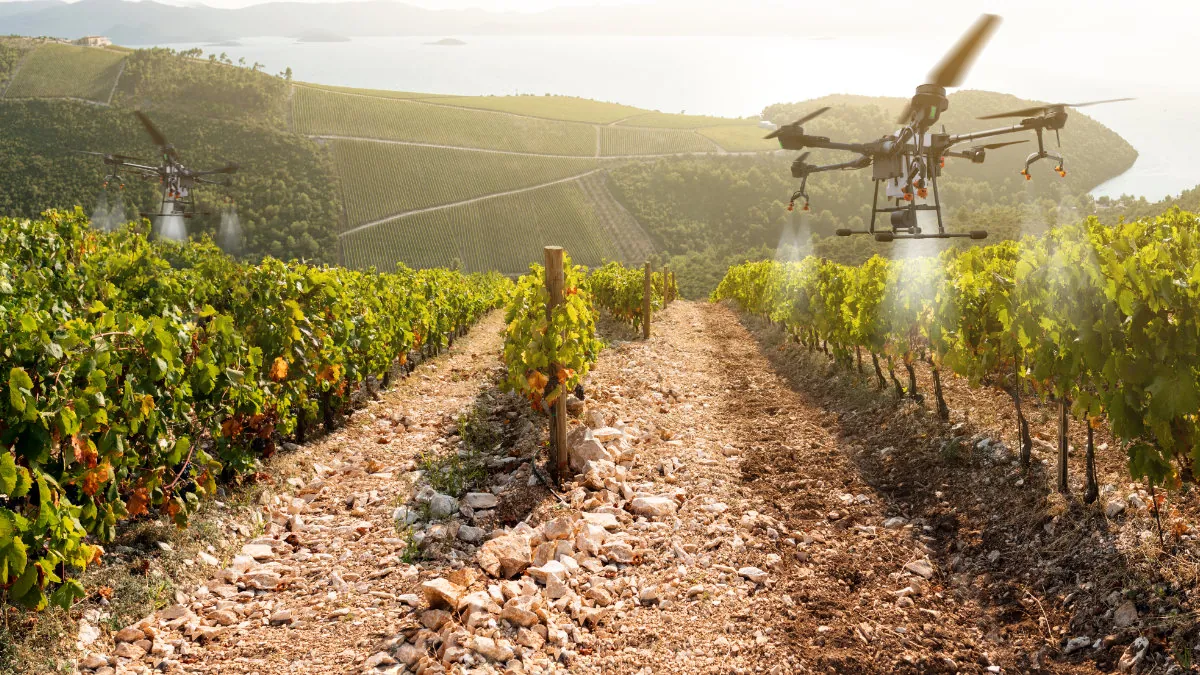
Imagine a drone buzzing quietly over a wide, green field, capturing thousands of high-resolution images from above. Each photo holds valuable clues about the health of the crops below, if the plants are thriving, if pests have started to invade, or if the fruits are ripe and ready to be picked. These images can reveal subtle differences in colour, texture, and shape that hint at problems or promise.
But the drone alone doesn’t understand these clues. For a computer to make sense of what it sees, it needs to be trained to recognise the signs, what healthy leaves look like, how to spot a tiny bug on a stem, or tell the difference between a ripe fruit and an unripe one. That training comes from data annotation.
Skilled annotators spend hours carefully labelling each image, marking exactly where weeds are growing, circling sick leaves, or counting every piece of fruit. This human-guided teaching gives computers the examples they need to learn. Over time, the AI begins to recognise these patterns on its own, turning raw images into actionable insights for farmers. This means farmers don’t have to inspect every plant themselves, they get accurate reports that help them make smart decisions faster.
Advantages of Farming and Technology Working Together
Bringing technology into farming offers many benefits that help both farmers and the environment:
- Saves Time and Labor
Automated monitoring tools, like drones and sensors, reduce the need for farmers to walk through every part of their fields. Instead of spending hours inspecting crops manually, farmers can rely on technology to collect detailed data quickly. This saves time and effort, allowing them to focus on other important tasks such as planning, maintenance, or marketing their produce. - Early Problem Detection
One of the biggest benefits of technology in farming is identifying problems before they become obvious. AI-powered systems can detect tiny signs of pests, diseases, or nutrient deficiencies that the human eye might miss. Spotting these issues early means farmers can take action sooner, preventing crop loss and reducing the need for expensive treatments. - Better Resource Use
Smart farming technology helps optimise the use of water, fertilizers, and pesticides. For example, sensors can measure soil moisture levels and guide irrigation systems to water only where it’s needed. This targeted approach reduces waste, lowers costs, and minimises environmental impact by avoiding overuse of chemicals or water. - Higher Yields
By continuously monitoring crops and soil conditions, technology helps farmers create the ideal environment for plants to grow. This precise management can lead to healthier plants and bigger harvests. With better data, farmers can adjust their practices in real time, maximising the productivity of their land. - Sustainability
Technology supports more sustainable farming methods by reducing the use of harmful chemicals and conserving water. Healthier crops grown with fewer resources help protect the environment and maintain soil health for future generations. Smart farming contributes to a more balanced relationship between agriculture and nature.
Together, these advantages show how combining human knowledge with AI can create smarter, more efficient farms.
Challenges in Annotating Agricultural Data
Plants don’t grow in neat, predictable patterns: leaves twist, stems overlap, and fruits cluster in complex ways, making precise labelling a detailed task. Outdoor farms add another layer of complexity, with lighting conditions that shift constantly due to sunlight, clouds, or rain. These variations alter the visual appearance of crops, and annotation must reflect them so AI can adapt to real-world environments.
Seasonal changes bring additional challenges: a healthy ripening stage in summer might resemble disease in another season, requiring annotators to recognise natural growth cycles. Subtle signs of pests or disease (like faint spots or tiny insects) demand close attention and often expert input to ensure early and accurate detection. Adding to this, agriculture looks different across regions. Crop types, varieties, and even the way plants grow can vary widely, so annotation must reflect this diversity to help AI perform reliably in different settings.
60 Years of Object Detection