
Smarter retail starts with AI, and AI starts with data annotation. By labelling products and shelves, annotators power computer vision systems that keep stores stocked and customers satisfied. It’s the silent force driving modern retail efficiency.
Customer Behavior Analysis
Every shopper leaves behind a trail of data, from the moment they enter a store to the choices they make while browsing. AI-powered systems analyse this data to understand customer behaviour, but only if the data is properly labelled and categorised.By annotating video footage from in-store cameras, AI models can track foot traffic patterns, dwell times, and customer engagement with products. For example, if a store notices that customers frequently pause at a specific aisle but don’t make purchases, it may indicate a pricing issue or an unclear product display.
Data annotation helps AI distinguish between different behaviours, whether a customer is browsing, comparing products, or searching for assistance. This insight allows retailers to optimise store layouts, improve signage, and even adjust product placement to maximise sales. 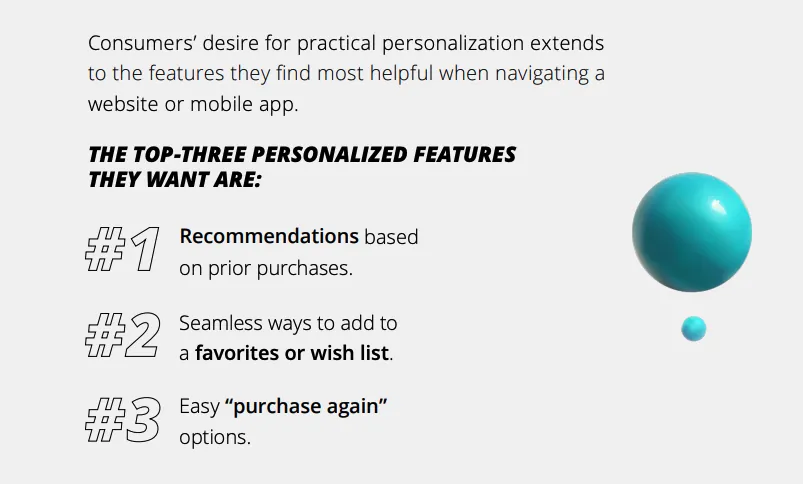
Personalized Shopping Recommendations
Retailers are no longer relying solely on in-person sales strategies. AI-driven recommendation engines are transforming how customers discover products, both online and in physical stores. These systems analyse customer preferences, purchase history, and shopping patterns to suggest relevant products, but they need well-labelled data to make accurate predictions.Data annotators help train recommendation algorithms by labelling datasets with customer interactions, product categories, and even emotional responses to different products. By feeding AI with precisely tagged data, retailers can ensure customers receive relevant and personalised product suggestions.
For example, if a shopper frequently buys organic snacks, the AI system can highlight new organic products or offer discounts on similar items. This level of personalisation enhances the shopping experience, increases customer retention, and improves sales.
Fraud and Theft Detection
Retail stores face significant losses due to theft and fraud. Traditional security systems rely on human monitoring, but AI-driven surveillance systems are improving security through automated threat detection. These systems analyse in-store footage in real time, identifying suspicious behaviours, detecting theft, and even preventing fraudulent activities at self-checkout stations.However, AI cannot detect fraud unless it has been trained with properly labelled data. Human annotators label video clips of different behaviours, such as customers concealing items, leaving checkout lanes without paying, or switching product barcodes. This training data helps AI learn the difference between normal shopping activity and suspicious behaviour.
With high-quality annotated datasets, retailers can reduce shrinkage, enhance loss prevention strategies, and create safer shopping environments for both customers and employees.
Tracking Customer Sentiment Through Reviews
Retailers rely on customer reviews and feedback to understand shopper satisfaction. AI models analyse these reviews, but they need properly labelled data to detect sentiment accurately.Data annotation helps train AI to recognise whether feedback is positive, neutral, or negative, allowing retailers to improve products, services, and overall customer experience. For instance, if a large number of reviews mention poor packaging or delayed delivery, the AI can flag these recurring issues for the retailer to address. Likewise, if customers frequently praise a certain product feature, the company can highlight it in their marketing efforts.
Automated Checkout Systems
Self-checkout stations and cashierless stores are redefining the shopping experience. Customers can walk in, grab what they need, and walk out without waiting in line. AI cameras and sensors automatically detect which items customers take, charging them accordingly. But this seamless process relies on accurately labelled data.For AI to correctly identify products, it needs extensive training data: annotated images and videos of different products from various angles, under different lighting conditions, and even in customers’ hands. Annotators tag these details, helping AI models recognise products with near-perfect accuracy. Without proper data annotation, these systems would misidentify products, leading to billing errors and frustrating customer experiences.
By continuously refining labelled datasets, retailers ensure their checkout systems remain fast, reliable, and user-friendly.
Computer Vision for Shelf Management
Imagine walking into a store where shelves are always well-stocked, products are placed correctly, and out-of-stock issues are rare. This is not just good store management: it’s AI at work. Retailers are increasingly using computer vision technology to monitor shelf conditions, track inventory levels, and ensure products are placed where they should be.AI-powered cameras scan store shelves in real time, recognising different products, labels, and packaging. But for these systems to work, they must be trained on vast amounts of labelled data. Annotators accurately tag and label images of products, barcodes, shelf arrangements, and even various lighting conditions to help AI models understand what a properly stocked shelf looks like.
With high-quality data annotation, retailers can automate shelf audits, reducing the time employees spend manually checking inventory. This ensures products are always available when customers need them, leading to increased sales and improved customer satisfaction.